Rekey or replace your locks? How to decide
Short answer: rekey when your locks still work well and you just need the old keys to stop working, like after a move or a lost key. Replace when a lock is worn, damaged or low-grade, or when you want something different, such as a sturdier deadbolt or a smart lock.
What rekeying actually does
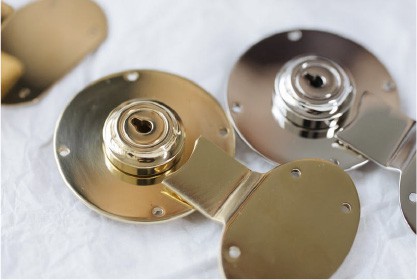
Inside most door locks is a cylinder with a row of small spring-loaded pins. Each key lines those pins up in its own pattern. Rekeying means taking the cylinder out and swapping the pins for a set that matches a new key. Most home locks have 5 or 6 pin stacks.
The handle, deadbolt and finish stay exactly where they are. The only thing that changes is which key works, and every old key stops working at once.
When rekeying is the right call
- You just moved in. You don’t know how many copies the last owner, their family, contractors or a past tenant still have.
- A key was lost or stolen. Especially if it was on a ring with anything that shows your address.
- A roommate, partner or employee moved out.
- You want one key for every door. Locks of the same brand and keyway can usually be rekeyed to the same key.
When to replace instead
- The lock is sticky, loose, or the key has to be jiggled to work.
- It was damaged in a break-in attempt.
- It’s a basic, light-duty lock on an exterior door and you want something stronger.
- You want a different style, a keypad or a smart lock.
- Your doors use mixed brands and you want them all on one key.
Rekey vs. replace at a glance
| Pin stacks in a typical home lock | 5 or 6 |
| Rekey: hardware | Stays the same; only the pins change |
| Rekey: old keys | All stop working at once |
| Replace: lock grades (ANSI/BHMA) | Grade 1, 2 or 3 (1 is strongest) |
| Strike plate screws to ask for | 3 inches, into the door frame |
| Texas landlords must rekey or change after move-out | Within 7 days |
If you replace, buy the right grade
Locks sold in the US are often rated to ANSI/BHMA standards in three grades. Grade 1 is the toughest and is common on commercial doors, Grade 2 is a solid choice for a home’s exterior doors, and Grade 3 is the basic level. The grade is usually printed on the box or the spec sheet.
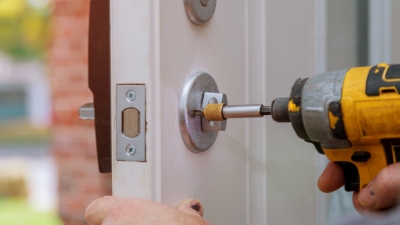
A strong deadbolt is only as good as what it bolts into. Ask for a reinforced strike plate held with 3-inch screws that reach the framing behind the door jamb, not just the trim.
Renting in Texas?
Texas Property Code §92.156 requires a landlord to rekey or change the security devices on a rental unit within 7 days after each tenant turnover. If you just moved into a rental, it’s fair to ask your landlord whether that was done. Check your lease before changing locks yourself.
Can I rekey my own locks?
Some locks, like Kwikset SmartKey, are built so the owner can rekey them with a working key and the included tool. Most standard locks need the cylinder taken apart and new pins fitted, which is a locksmith job. If you’re not sure what you have, call us and describe the brand on the lock face.
Quick answers
Is rekeying cheaper than replacing locks?
Usually, because the existing hardware stays and only the pins inside the cylinder change. Ask for the total for all your locks when you call.
Should I rekey after buying a house?
Yes. You can't know who still has copies of the old keys, and rekeying makes every one of them useless.
Can all my locks use one key?
Usually, if they are the same brand and keyway. Mixed brands may need one or more locks replaced so everything matches.
What lock grade should I use on my front door?
ANSI/BHMA Grade 2 is a solid choice for most home exterior doors, and Grade 1 is the strongest. Pair it with a strike plate held by 3-inch screws.
Does a Texas landlord have to change the locks between tenants?
Texas Property Code section 92.156 requires landlords to rekey or change the security devices within 7 days after each tenant turnover.